The Future of Brick-and-Mortar: The Complete Guide to AI in Retail Operations
Have you ever walked into a store specifically for one item, only to find an empty shelf where your favourite bread should be? That brief annoyance isn’t just bad for your pantry. According to global industry data, out-of-stock items cost retailers a staggering $1.1 trillion every year. Managers have historically tried to prevent this by guessing how much inventory to order using gut feeling and messy spreadsheets.
Solving this massive financial headache requires a much smarter approach. Companies are finally utilising AI in retail planning to fix the persistent problem of empty shelves. Instead of picturing a sci-fi robot roaming the aisles, imagine this technology as a tireless, 24/7 assistant for store managers. It exists solely to help them order the perfect amount of stock at exactly the right time.
Every time you shop, you leave behind “digital footprints”-subtle clues about buying habits, weather reactions, and seasonal trends. Powered by retail analytics AI, the system acts as a massive digital brain connecting millions of these footprints at once. While humans might casually notice that umbrellas sell faster during storms, this digital brain calculates precisely how many umbrellas a specific neighbourhood actually needs during a Tuesday drizzle.
Better predictions ultimately lead to fresher grocery produce and fewer wasted trips to the mall. The true everyday value of AI in retail isn’t about replacing human workers. It is simply a super-powered tool designed to ensure your favourite products are always waiting for you.
Why 'Old School' Forecasting Fails: The Trillion-Dollar Guessing Game
Finding grocery store shelves full of milk that expires tomorrow is a common consumer frustration. While stores must order stock in advance, getting the exact quantity right historically relied on human guesswork. Managers stared at massive spreadsheets, trying to balance last week’s sales against incoming deliveries. This manual approach often caused dumpsters full of spoiled food.
Older computer programs, known as legacy systems, simply cannot handle the mountain of information created by modern shoppers. Human brains and outdated software hit a hard data processing limit when tracking thousands of unique items at once. Comparing legacy planning systems vs AI platforms reveals a glaring gap: old tools cannot easily factor in a sudden local heatwave, causing a run on bottled water.
Solving this guessing game requires moving from “gut feelings” to precise, data-driven decisions. Retailers now use retail analytics AI to instantly process these overwhelming digital footprints. By upgrading to smarter AI inventory management, stores finally have a mathematical tool capable of seeing the big picture and reliably predicting future purchases.
Meet the Pattern Finders: How AI Predicts What You Will Buy
When store managers use past sales to guess next week’s grocery orders, they are performing “demand forecasting,” which is simply predicting what people will buy. However, figuring out how to automate retail demand forecasting requires stepping away from basic math and adopting tools that can actually learn from their environment.
To understand this leap, consider the key differences in machine learning vs traditional retail forecasting:
- Traditional Forecasting: Uses basic, linear math. It assumes that because a store sold fifty umbrellas last October, it should blindly order fifty this October.
- AI Forecasting: Acts as a super-powered pattern finder. It identifies complex, hidden shopping behaviours across thousands of daily transactions that human eyes simply cannot spot.
Rather than following a stubborn rule, this technology relies on “machine learning,” which is basically trial and error at warp speed. If the computer guesses a store will sell one hundred boxes of cereal but only eighty leave the shelf, it adjusts its math for tomorrow, getting slightly smarter every single day. By applying predictive analytics for inventory management, the digital brain constantly corrects its own mistakes without human intervention. These daily adjustments rely on environmental variables extending far beyond a simple printed receipt.
From Rain Clouds to Viral Trends: The Secret Signals AI Watches
Grocery stores often seem to magically stock extra hot dog buns right before a sudden sunny weekend. This is the result of retail analytics AI gathering hidden signals. Instead of just reading old receipts, these systems look outside to predict your daily needs.
Translating everyday life into math happens constantly through hyper-local demand sensing technology. This tool tracks five non-obvious factors altering your shopping cart: sudden rainstorms, school schedules, local sports events, traffic jams, and fast-moving internet fads. The digital brain converts a temperature drop into a data point, telling warehouses precisely how many heavy coats to send to your specific zip code.
Spotting these invisible shifts is especially vital for unpredictable fashion crazes. Utilising generative AI for retail trend analysis, computers “read” millions of public internet posts to catch a viral denim style early. The system treats buzzing online conversations about a new sneaker colour as an early warning sign, turning social media hype into concrete inventory data.
Grasping exactly what drives a sudden rush on a specific product helps stores order exactly what you want, right when you want it. This awareness permanently changes how shops manage unsold goods, ultimately killing the “clearance rack” cycle and reducing overstock with smart planning.
The 'Clearance Rack' Cycle: Reducing Overstock with Smart Planning
Scoring a huge clearance discount feels like a victory, but those deep price cuts actually signal a massive planning failure. When stores guess wrong about trends, unsold goods pile up in backrooms. This excess inventory, known as overstock, ruins store profitability and creates devastating environmental waste when items are thrown away.
Instead of relying on human guesswork, modern shops are reducing overstock with artificial intelligence. These digital systems eliminate retail waste in three key ways:
- Accuracy: Ordering exact product quantities rather than relying on rough seasonal estimates.
- Timing: Delivering merchandise to the sales floor exactly when local demand peaks.
- Localisation: Matching specific products to the unique neighbourhoods that want them using AI-driven assortment optimisation tools.
By predicting precisely what shoppers will buy, retailers keep unloved merchandise out of landfills. This careful AI inventory management means a healthier planet and a more profitable business. Mastering these big-picture trends naturally solves the daily struggle of keeping everyday essentials available through automated smart replenishment systems.
Neighbourhood-Specific Shopping: AI Category Clustering and Range Optimisation
Notice that your neighbourhood grocery store carries different snacks than the exact same chain twenty miles away? That variety is not an accident. Retailers are moving away from blanket, one-size-fits-all inventory models by leveraging AI category-based clustering and range optimisation.
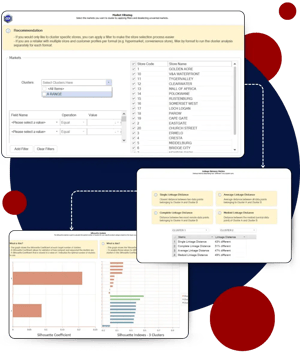
Instead of treating every store the same, deep learning algorithms analyze millions of data points—including local demographics, purchase histories, and subtle environmental shifts—to group store locations into distinct, behaviour-based clusters.
Once these clusters are established, AI range optimisation software takes over to curate the ideal product mix for each specific store bucket. The system automatically calculates the most profitable and high-demand product assortment, learning that a college-town cluster requires single-serve microwaveable meals, while a suburban cluster requires bulk family sizes.
Matching shelf space to specific community clusters ensures that stores only ship what will actually sell. This hyper-targeted approach optimises retail supply chains, dramatically reducing distribution costs and carbon emissions by preventing trucks from hauling unwanted goods across the country.
The Store with Eyes: Why Catching Out-of-Stocks is Just a Patch Job
Shoppers frequently ask for a missing item only to hear, “Let me check the back.” A store’s inventory system might state your favourite cereal is in stock, but it hasn’t actually reached the aisle. Historically, stores have tried to fix this by installing ceiling cameras equipped with computer vision technology. Think of these real-time inventory visibility solutions as digital eyes designed to spot an empty shelf space and alert a worker to go fetch stock from the backroom.
While computer vision improves immediate shelf availability, relying on it to fix empty shelves is ultimately an old-school, reactive patch job. Spotting an out-of-stock item after it happens means the planning and execution pipeline has already failed. It treats the symptom rather than curing the disease.
To truly eliminate the empty shelf problem, retailers must shift from reactive scanning to predictive, end-to-end automated replenishment execution.
The Digital Grocery List: How Smart Replenishment Systems Automate Restocking
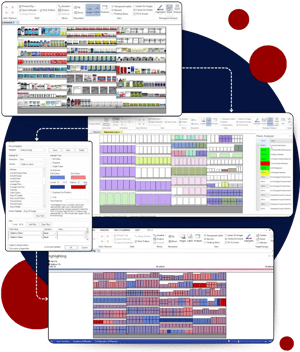
To move past reactive patch jobs, modern retail operations seamlessly tie forecasting directly to shelf execution through AI-powered planogram generation and smart replenishment systems. True operational efficiency requires a closed-loop system: the AI generates a data-driven planogram (the visual map of where products sit on a shelf) tailored to shopper behaviour, the replenishment engine automatically orders stock to fulfil that specific planogram layout, and AI image recognition continuously verifies that the physical shelves match the digital plan.
This synchronisation is critical. If a smart replenishment engine calculates and orders stock perfectly based on a planogram, but store employees fail to implement that planogram accurately on the floor, a massive stock ordering bottleneck occurs.
Ultimately, this seamless coordination relies on AI inventory management to keep operations running perfectly without human guesswork.
Why Prices Change at Midnight: The Logic Behind AI Dynamic Pricing
Everyone understands that a winter coat costs less in March due to basic supply and demand. AI takes this further using dynamic pricing strategies for e-commerce and local storefronts, acting as an advanced analytical engine that adjusts costs instantly based on:
- Competitor prices nearby
- Current stock levels in the backroom
- Approaching expiration dates for fresh food
Bargain hunters actually benefit directly from these digital brains. Stores rely on automated markdown optimisation algorithms to gradually lower the cost of slow-selling items, ensuring you discover great deals exactly when the retailer needs to clear physical shelf space.
When prices fluctuate, you might ask about the benefits of algorithmic merchandising versus unfair price gouging. Smart pricing simply balances demand fairly to prevent empty shelves without exploiting temporary consumer shortages. This continuous, localised balancing act naturally extends to how stores stock their physical aisles for specific communities.
DotActiv's AI Tools for Category Management: Nova, Trueview, and Lola
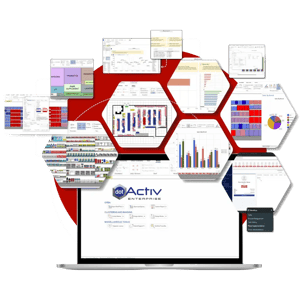
In practical category management workflows, the question is not whether AI exists, but whether it is operationally embedded across planning, analysis, and execution. DotActiv provides AI-powered tools for planogram generation, data analysis, and in-store execution, helping retailers and suppliers plan faster, make better decisions, and ensure compliance at shelf level.
TrueView: Image Recognition for Planogram Compliance
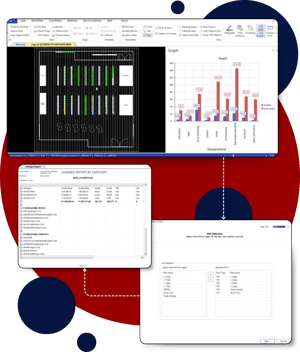
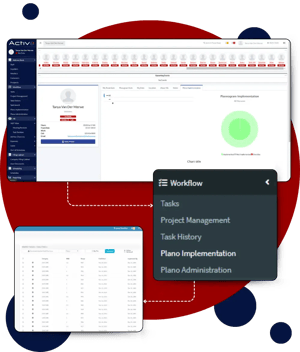
TrueView uses image recognition to verify planogram compliance at store level, converting shelf photos into structured, auditable execution signals.
- Upload shelf images to check planogram accuracy automatically
- View performance by region, store, or category
- Track implementation status (implemented vs overdue)
- Report operational issues directly to head office
- Monitor execution metrics such as drop counts and deadlines
Nova: AI-generated Planograms Aligned to Rules, Formats, and Shopper Behaviour
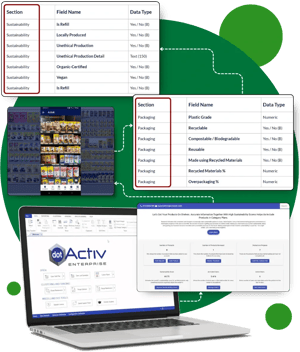
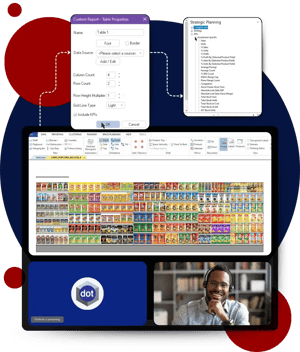
Nova generates data-driven planograms using AI, based on your rules, store formats, and shopper behaviour, enabling scalable shelf planning without sacrificing governance and merchandising intent.
- Automated shelf layouts based on shopper decision trees
- Works across multiple AI models (model-agnostic)
- Respects your merchandising rules and constraints
- Generates multiple store formats in a single run
Lola: Self-Serve Analysis and Contextual Insights
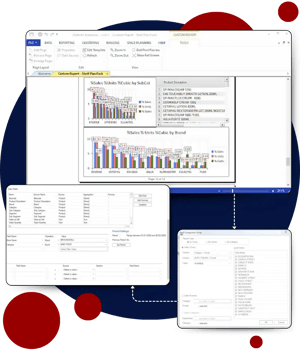
Lola helps teams analyse data, answer questions, and access insights without running reports, lowering the friction between a business question and a defensible decision.
- Ask questions in natural language instead of SQL
- Analyse planograms and documents for insights
- Access training content instantly from PowerBase
- Get category and industry insights in context
- Navigate the platform faster with a simplified interface
Workforce Planning And Task Execution: Using AI to Staff Smarter and Act Faster
Even when planning is perfect on paper, outcomes break down at the store level if the right people are not in the right place at the right time. AI-driven workforce management applies demand signals to labour planning, connecting predicted traffic, promotional events, and delivery schedules to store rosters and shift plans.
Operationally, AI is increasingly used to translate a long list of store tasks into an ordered queue that reflects business impact. Instead of treating every task as equal, systems can prioritize shelf replenishment, price changes, and compliance actions based on lost-sales risk, perishability, or promotional deadlines.
Shrink And Loss Prevention: Detecting Risk Before It Becomes A Write-Off
Retail operations are constrained not only by demand variability but also by shrink, scanning errors, and fraud. AI supports loss prevention by finding anomalies across transactions, returns, and inventory movements that are difficult to spot with manual audits alone.
In physical stores, computer vision can complement traditional loss-prevention methods by flagging suspicious patterns, high-risk zones, and recurring operational breakdowns that lead to avoidable losses. The goal is not surveillance for its own sake, but earlier detection and tighter process control.
Omnichannel Fulfillment: Making BOPIS And Ship-From-Store Operationally Reliable
As consumers blend digital and physical shopping, store operations increasingly include picking, packing, and staging orders. AI helps retailers decide when to fulfil from a warehouse versus a store, which store to select, and how to allocate inventory so an online promise does not create an empty shelf for walk-in customers.
At execution time, accuracy matters as much as speed. Inventory visibility, shelf-availability signals, and substitution rules can be coordinated so BOPIS, curbside, and ship-from-store workflows remain predictable during peak periods.
Data Foundations And Implementation: How To Make AI In Retail Operational, Not Theoretical
AI systems only perform as well as the data and processes around them. Successful deployments typically start with clear definitions of master data (products, stores, and planogram rules), then ensure that sales, inventory, and execution data are captured consistently enough to support learning and measurement.
From an operating model perspective, retailers often establish a practical “human-in-the-loop” structure: algorithms propose decisions, teams review exceptions, and feedback is captured to improve future recommendations. To keep initiatives grounded, many organisations track a small set of operational KPIs, such as on-shelf availability, forecast accuracy, waste reduction, fulfilment accuracy, and planogram compliance, then link those to ROI through fewer lost sales and lower operating costs.
Will Robots Replace Store Clerks? The Future of Human-AI Retail Teams
Walking into a store run entirely by robots sounds like a sci-fi movie, but the reality is deeply collaborative. Instead of replacing workers, forward-thinking stores use “augmented intelligence,” where technology acts as an administrative assistant. The computer handles the tedious, data-heavy computations, leaving clerks free to focus on human-centric customer service.
This structural shift becomes obvious when comparing machine learning vs traditional retail forecasting. Previously, managers spent hours in back offices guessing what would sell using basic spreadsheets. Today, retail analytics AI processes weather and sales data instantly. Academic research highlights that offloading these repetitive, analytical tasks to algorithms vastly improves employee job satisfaction and performance, as detailed in studies on human-AI collaboration from the Harvard Business Review.
Yet, even the smartest algorithms need a “human-in-the-loop” to navigate the complexities of the real world. While AI in retail planning predicts seasonal baseline demand with incredible precision, it cannot foresee an anomalous, hyper-local disruption—like a localised viral TikTok trend selling out a specific brand overnight. Store managers must step in to adjust the software’s math using vital local intuition.
When human empathy and contextual awareness pair with algorithmic processing speed, it creates a shopping experience that is both highly efficient and deeply personal. This hybrid workforce model ensures shelves stay full without turning your favourite shop into a soulless, automated warehouse.
Your 2030 Shopping Trip: How AI-Driven Planning Makes Retail Better for You
Empty shelves and spoiled produce used to feel like an inevitable part of the shopping experience. Now, you know those frustrations are actively being solved behind the scenes. The shift toward AI in retail planning means stores are finally trading guesswork for precision, transforming how your favourite products make it from the warehouse to your cart.
You don’t need to look at a computer screen to see this technology in action. You can actually spot the benefits of algorithmic merchandising on your very next grocery run. Look for these three signs your local store is already using AI inventory management:
- Fewer “sold out” signs on your go-to pantry staples, even during busy holiday weeks.
- Consistent product placement where items perfectly match local community tastes.
- Personalised deals in your app that magically align with what you normally buy.
This invisible technology is doing much more than just keeping the milk stocked. As these digital assistants get smarter, we are moving toward a retail future with near-zero food waste and perfectly timed inventory, which ultimately keeps prices lower for everyone.
Next time you walk down a perfectly stocked aisle, take a moment to look around. You now understand the complex data choreography making it happen. Start noticing which stores consistently have exactly what you need—you’ll quickly realise it isn’t just good luck, but a brilliant system working just for you.