

Category Management solutions that drive results
Optimize your shelf space, curate ideal product assortments, and make smarter category management decisions with DotActiv.


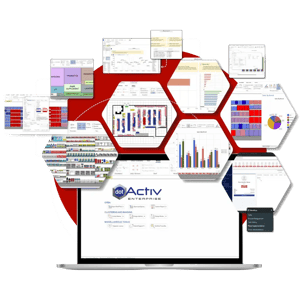






Create Data-Driven Planograms

Strategic Planograms
- Build planograms driven by real-time data, ensuring that each product, brand, or category gets the right shelf space for optimal performance.
- Leverage data-backed decisions to improve product visibility, align with customer demand, and enhance your team's overall efficiency.
- Empower your team with data-driven insights that streamline decision-making, allowing them to focus on delivering the best product placements and maximizing store performance.
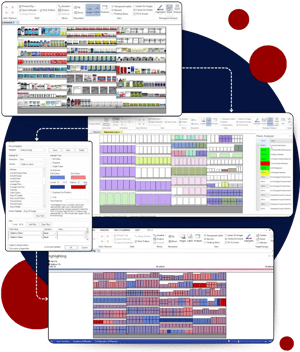
Pinpoint and Address Opportunity Gaps
Assortment Optimization
- Leverage real-time data to refine your product assortments, ensuring they reflect local shopper needs and preferences.
- DotActiv’s customizable rules, templates, and data models identify gaps in your product offerings, recommending the ideal range to optimize performance.
- Maximize the effectiveness of your assortment strategy by aligning product availability with customer demand, driving sales growth and improving overall category performance.
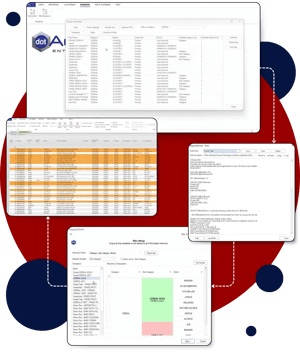
Optimize Store and Product Grouping
Cluster Optimization
- Group stores and products based on localized factors such as customer demographics, sales performance, and regional preferences.
- Tailor assortments, pricing, and promotions by analyzing store-level data, ensuring that each location is stocked with products that cater to local shopper demand.
- Create consistency in category management while allowing for flexibility in execution, driving better sales and customer satisfaction across various market segments.
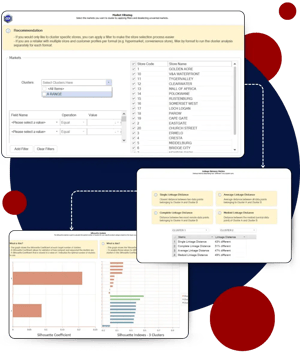
Enhance In-Store Experiences
Floor Planning
- Utilize data-driven insights to analyze sales performance and unit movement across your categories, ensuring each category gets the space it deserves.
- Allocate floor space effectively based on sales trends, optimizing product placement for higher profitability.
- Strategically position categories to maximize customer engagement and product visibility, enhancing the overall shopping experience and driving in-store traffic.
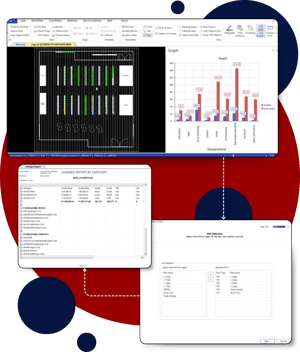
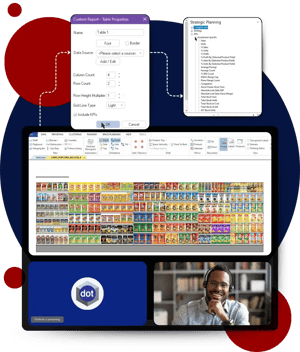
Take your reporting to the next level
Custom Reporting
- Design tailored dashboards that provide insights specific to your business needs, allowing for more informed decision-making.
- Integrate and analyze data from multiple sources, delivering a comprehensive view of performance across categories.
- Generate highly actionable category reviews that go beyond basic metrics, driving smarter strategies and improved results.
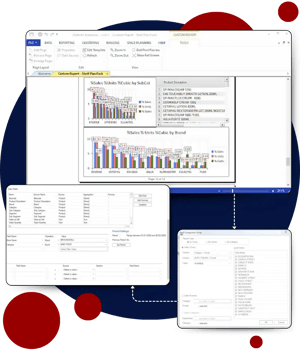
Empower your customers through
Retail Sustainability


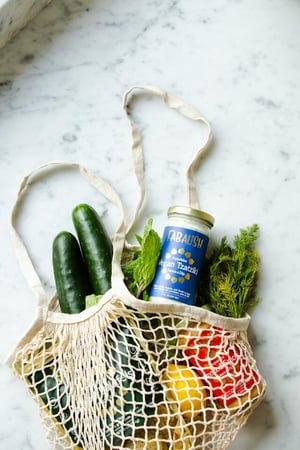
OUR WHY
Advocating for a sustainable future in retail has transitioned from an aspirational concept to an undeniable necessity.
72%
Of customers are actively buying more environmentally friendly products.
The DotActiv Difference
Actionable Steps Towards Sustainability
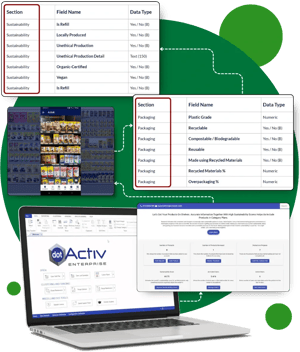
- Our software empowers you to prioritize sustainability by identifying and highlighting eco-friendly products within your assortment.
- The range optimizer ensures that these sustainable products are given strategic prominence, aligning with both market trends and consumer preferences.
- By optimizing shelf space and improving visibility for sustainable products, you contribute to environmental responsibility while meeting the growing demand for conscious shopping choices.
Reduce data process complexity
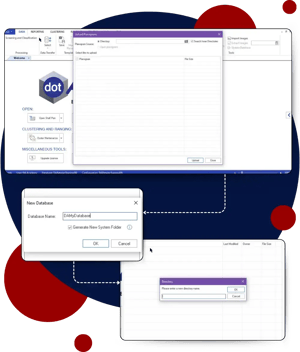
Two-Way Database Integration
- Streamline your category management efforts with seamless database integration that reduces complexity and enhances efficiency.
- Automate data transfers to minimize labor costs and eliminate the risk of human error, ensuring more reliable and accurate results.
- Combine and analyze multiple datasets to unlock deeper insights and increase the strategic value of your data.
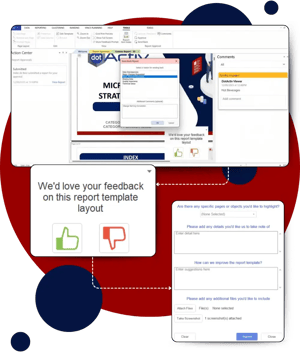
Simplify the custom report approval process
DotActiv Viewer
- Cut out unnecessary steps in your approval workflow to save time and reduce complexity.
- Centralize feedback and collaboration within one platform for greater clarity and efficiency.
- Simplify the approval process to speed up decision-making, allowing your team to focus on execution.
Amplify your category strategies with expert guidance
Premium Support Services
- Benefit from personalized assistance with a dedicated account manager who understands your business needs.
- Experience an end-to-end category planning process, from initial strategy development to data-driven planograms, ensuring your objectives are met at every stage.
- Stay on track with regular support through monthly check-ins, in-depth quarterly reviews, and strategic bi-annual planning sessions designed to optimize performance.
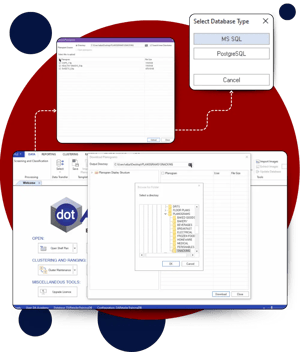
Let DotActiv to build and maintain your database
Database Hosting
- Gain immediate access to a fully managed, scalable database infrastructure designed to support your business.
- Benefit from advanced security protocols and industry best practices, ensuring your data remains protected and compliant.
- Enjoy fast, reliable data processing that streamlines your operations and enhances overall efficiency.
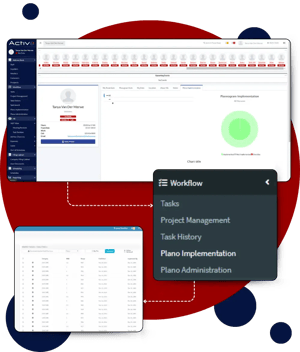
Implement planograms the first time, on time
Activ8
- Seamlessly integrate with DotActiv software to automatically distribute new and updated planograms to stores for timely implementation.
- Access and manage implementation details from both mobile and desktop, ensuring flexibility and control from anywhere.
- Choose to host Activ8 on your own servers or let DotActiv handle hosting for a worry-free experience.
WHAT OUR CLIENTS HAVE TO SAY
Providers of world-class category management solutions since 2001.
Working with DotActiv is a delight. I'd recommend DotActiv to anyone looking for a category management solution.

The planograms created using DotActiv's software have added immense value to Amka's business. We've made incredible inroads with the Spar Group.
I want to thank DotActiv for their ongoing support and for being an excellent partner. I'd highly recommend them for any future work.
The implementation of data-driven planograms using DotActiv software has been a stepping stone for Food Lover's Market's growth within the Groceries division. It wouldn't be possible without DotActiv's help.

DotActiv always displays professional conduct, meets all our needs speedily, and represents best practice standards within the FMCG industry.
The planograms built by DotActiv and implemented have helped us meet our primary objectives, including strengthening our brand image.

The real-time assistance and collaboration with DotActiv have transformed the way we approach our category management within Dis-Chem.

DotActiv acts as a trusted category management advisor. They have been amazing in providing us with the support we need to succeed at our goals.
DotActiv's Enterprise and Professional solutions are practical and we will be able to do great things with them.
We offer software editions to fit any budget
Choose the right plan for your retail or supplier business. Our software solutions are designed to meet the needs of retailers and suppliers of all sizes and specialties.
Yearly
Monthly
Lite
$800 / License$80 / License
Pro
$2000 / License$200 / License
Enterprise
$4500 / License$400 / License
Take your business to the next level with DotActiv